ONDULÉ
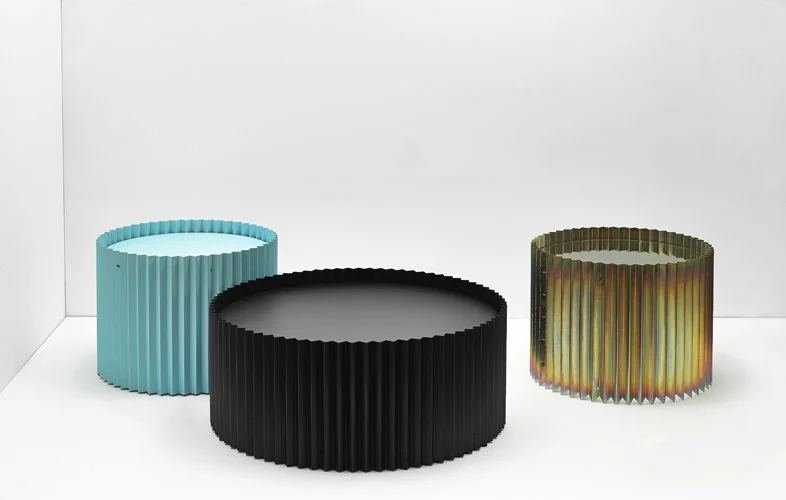
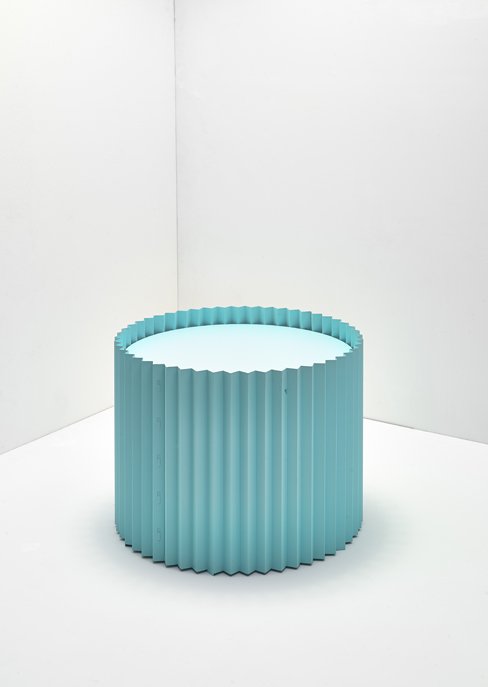
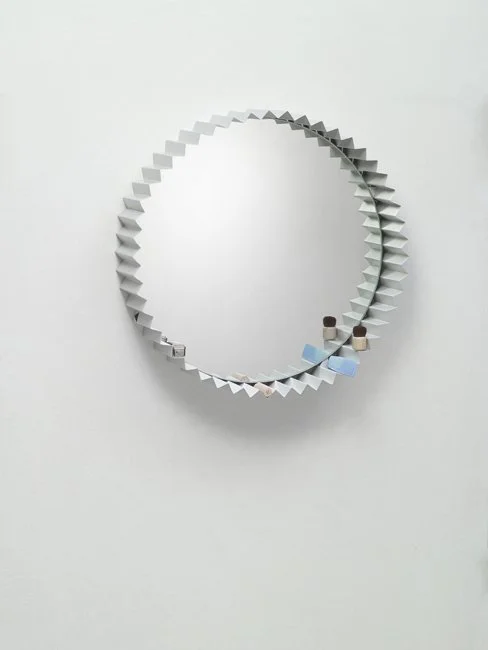
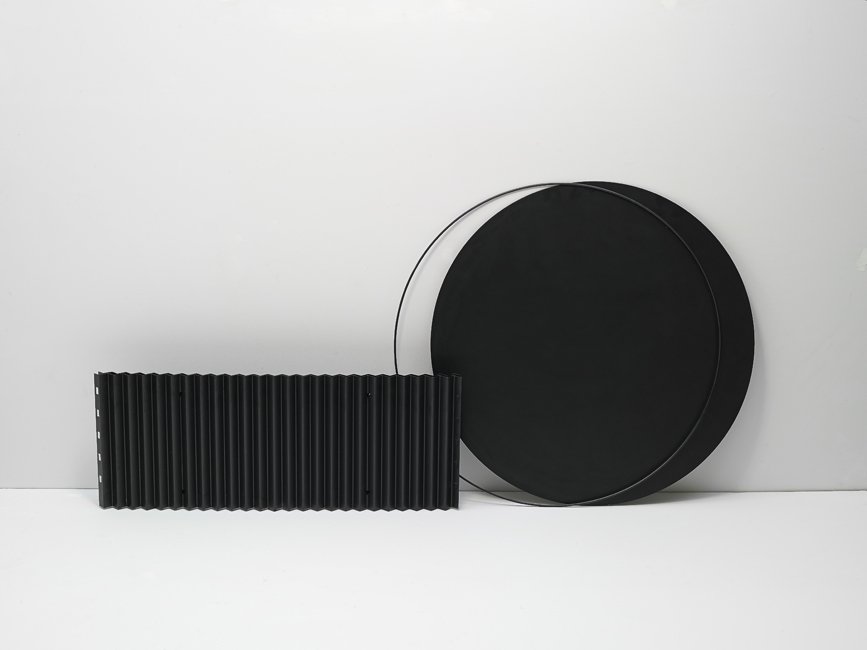
The basic motive of the design was simplicity, which, while maintaining comfort and quality of the product, reduced the processes required for production and construction itself to minimum. You do not need any tools or screws for assembly. All parts fit in each other, so construction is purely an intuitive matter for the users. The result is that a disassembled table can be put together by only four steps. Aesthetically significant toothed structure lightens the dimension of the base, as for the view. This is an effect that had already been known to the builders of columns in Antic Greece. In case of Ondulé, however, a completely functional form is concerned – the base consisting of two sheets is stretched and strengthened by fitting a toughened glass plate. One of the major benefits of the Ondulé collection is economy packing, which is flatpacking, enabling easy storage and, naturally, transport. For the producer, it is a very important attribute, which saves significant costs within the process of distribution. The tables provide two dimensional options according to their use. The coffee table is lower but its diameter is greater, so many glasses, plates and newspapers can be placed on it. Higher but more lightly-built side table can be used near a couch or bed. All the shape variants have an overhang, which, in case of the table, prevents the things placed on it from falling and, in case of the mirror, is used as a shelf.
Design by Jan Plecháč & Henry Wielgus
Photo by Kristýna Hrabětová
2013